Bobbins to Beauty: Exploring the Intricate Craft of Modern Lacemaking
I recently had the pleasure of attending a craft event that introduced me to the highly detailed practice of lacemaking. I was already familiar with the look of antique lace, but learning more about the process revealed a remarkable level of skill and dedication required to create this fabric. The craft encompasses several distinct techniques, with the main ones being needle lace and bobbin lace.
While needle lace, historically significant in regions like Venice and Brussels, creates its durable, open fabric using a single needle and thread through a precise sequence of buttonhole stitches, my focus was primarily drawn to the practice and tools associated with bobbin lace.
A Brief Look at Lace History
Lacemaking is an old discipline, thought to have developed in the 15th and early 16th centuries in both Italy and Flanders. Initially used for decoration on religious and noble clothing, lace rapidly became a key luxury item and a substantial status symbol. This demand led to the establishment of distinct regional styles, such as the heavy linen laces of Honiton in Devon and the finer cotton and silk laces of Chantilly. When machine production became common during the Industrial Revolution, it made lace widely accessible. However, the interest in the unique structure and specific qualities of handmade lace has continued among dedicated crafters.
The Focus on Modern Bobbin Lace
Today, lacemaking is experiencing a positive shift, being practiced not just to preserve historical styles but as an active contemporary craft. Modern lacemakers are actively innovating, using traditional techniques as a foundation for new colours, materials, and design applications.
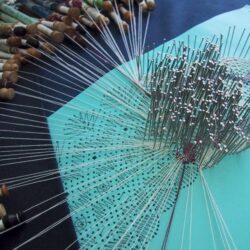
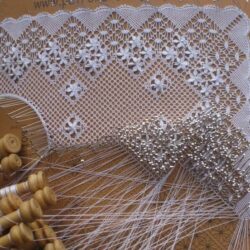
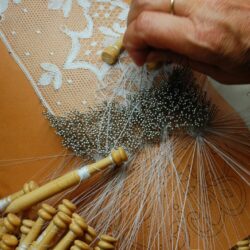
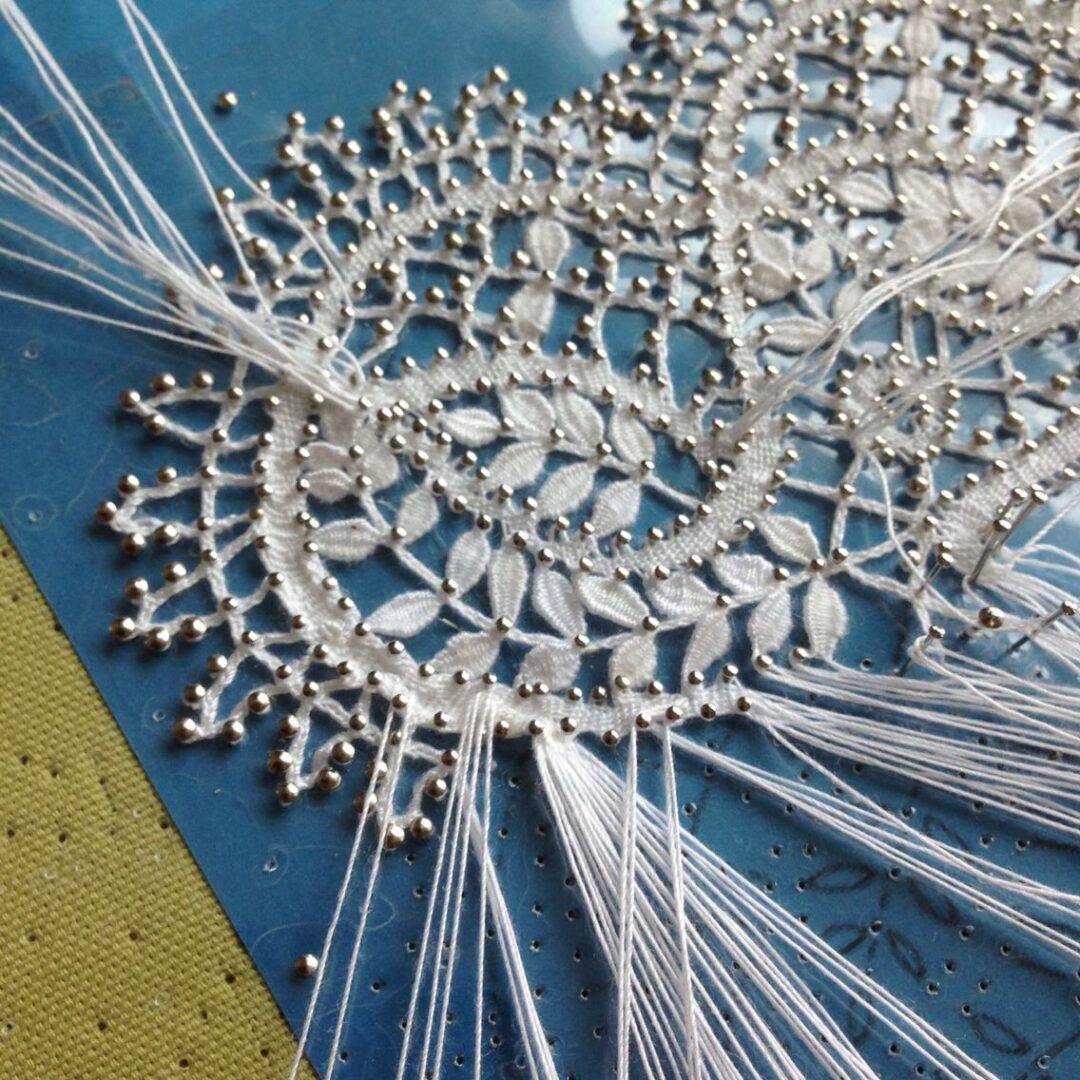
The process of bobbin lace is a combination of systematic technique and careful practice. The pattern is first marked onto a firm card or parchment, called a ‘pricking’. This pattern is secured onto a pillow—which provides a stable, cushioned working surface. The lace is then woven using pairs of threads, each wound onto specialised wooden bobbins. The lacemaker executes a repeated sequence of just four basic movements—the twist and the cross—to execute all the necessary stitches and patterns. The chief challenge is managing the quantity of bobbins; a medium-sized project can easily involve over a hundred bobbins operating simultaneously.
The Lacemaker’s Essential Equipment
While the core techniques remain historical, contemporary materials make the craft versatile. Modern lacemakers often work with fine linen, cotton, silk, and sometimes synthetic or metallic threads. An essential part of the experience, however, is the quality and care of the tools, particularly the bobbins. These can range from simple, robust working tools to smaller, decorative items, often weighted with glass beads, known as spangles, to provide necessary tension.
For storing and protecting this collection, many makers appreciate the beauty of something specific and handmade. There is a practical and satisfying aspect to keeping tools in a finely crafted container, such as a handmade bobbins box or chest. Whether it is a storage case with removable trays or more of an organised, multi-drawer unit, the bobbins box or chest of drawers serves as crucial storage, protecting the delicate threads and bobbins. These cases underline the careful, meticulous nature of the hobby and are a fitting container for the finely crafted wooden bobbins.
The work of modern lacemakers is now seen far beyond simple garment edgings. Current applications include intricate jewellery pieces, unique textile art, detailed clothing insertions, and sculptural installations.
If you are seeking a craft that demands precision, offers a focused, rhythmic process, and results in durable, detailed fabric pieces, bobbin lace offers a highly rewarding pursuit. The ongoing interest in lacemaking confirms that this traditional skill remains a valuable and engaging hobby today.